Sunday, November 28, 2021

復刻された大正時代の新北投駅

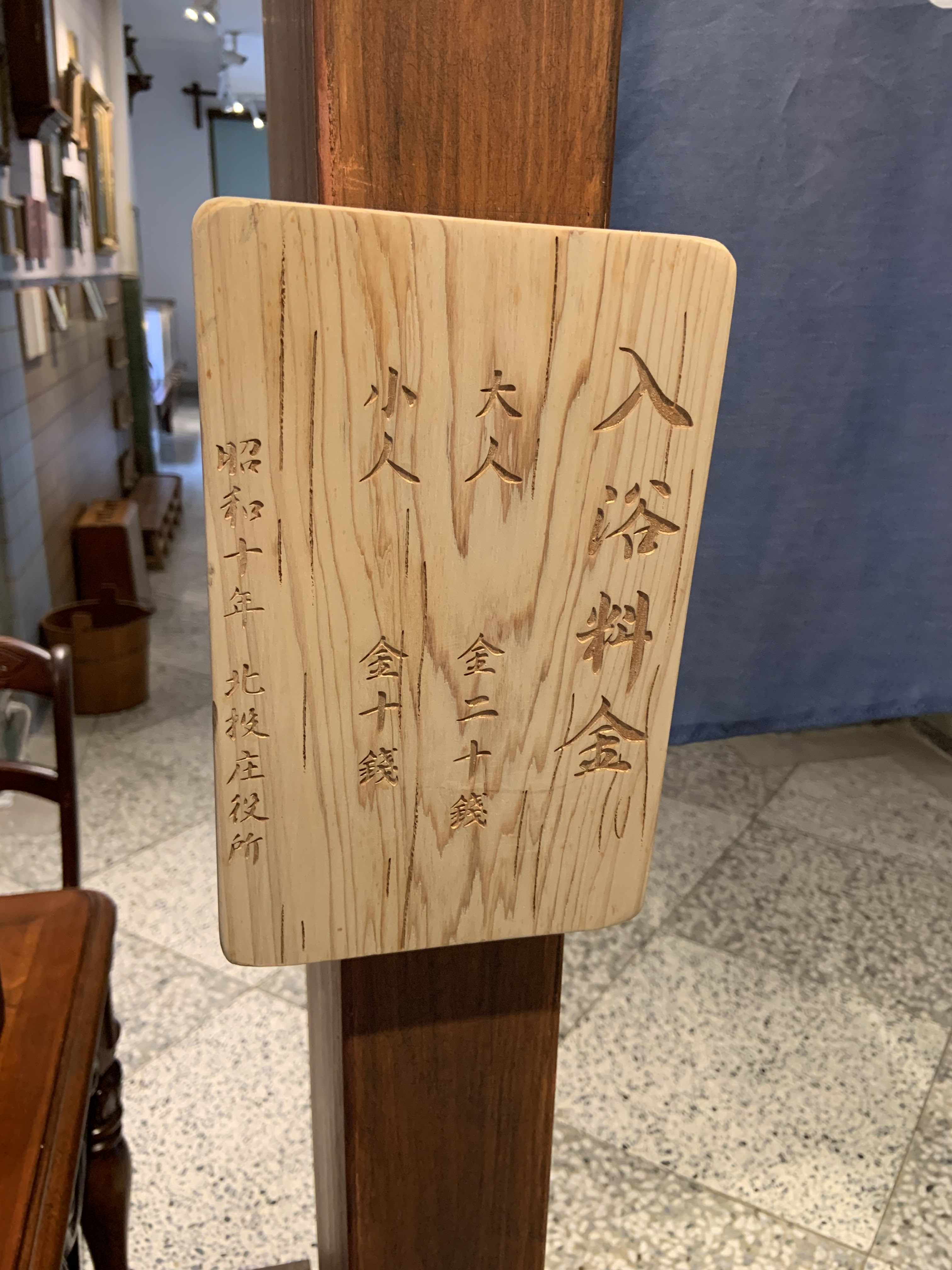
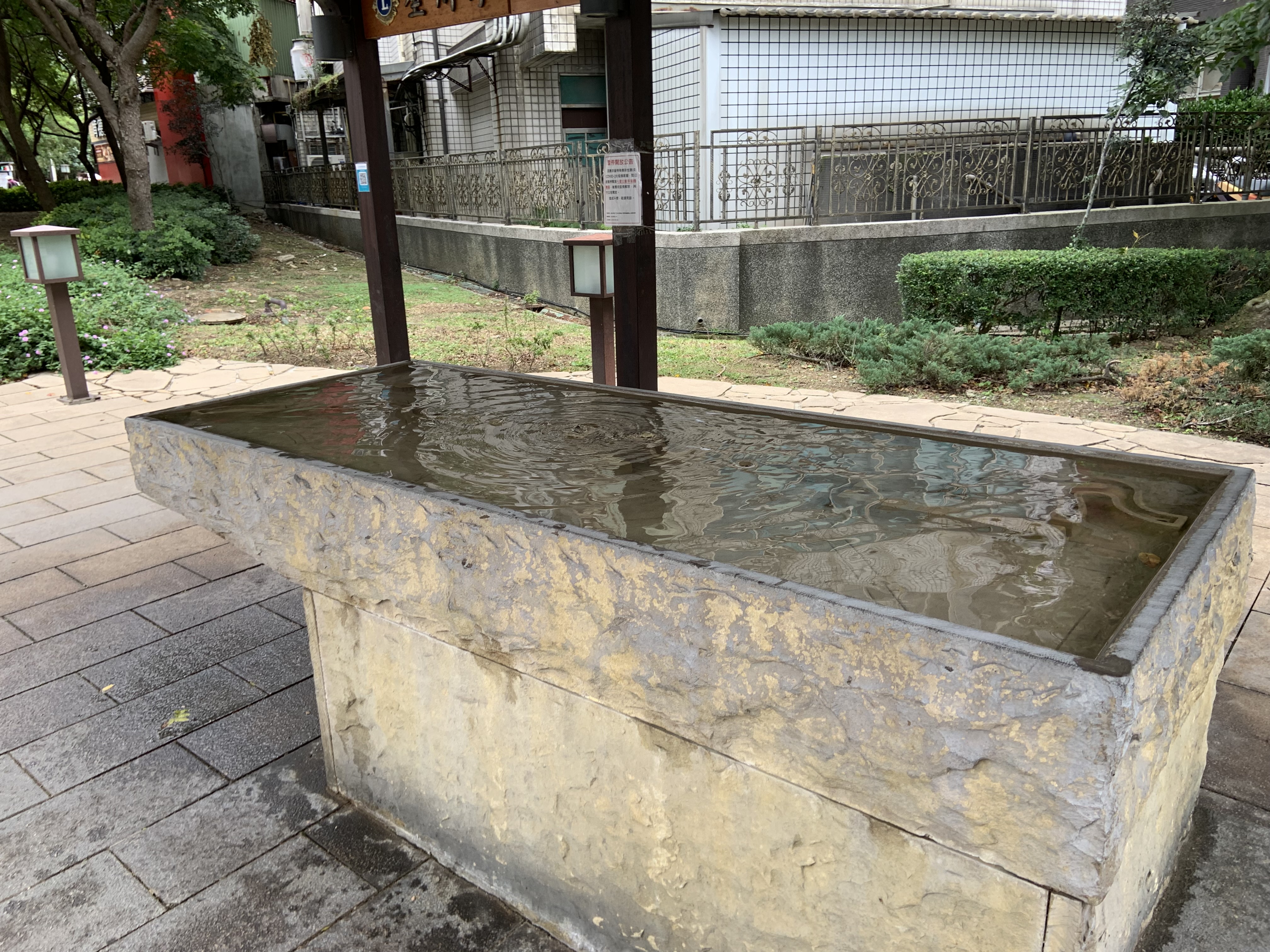
台北メトロの新北投駅の隣に、日本時代の駅舎を復刻した施設があり、内部には鉄道に関する展示があります。以前新潟国際大学で公演を行った台湾人宮大工の方が、再建に携わったそうです。昔のガチャガチャなんかがありました。プラットフォームにはには客車があり、その内部で北投の温泉文化に関する展示があり「流し(台湾語でナカシ)」という温泉宿を回って客の歌の伴奏をする演歌バンドの紹介をする動画が放映されていました。流しのミュージシャンたちの間では、台湾人客にわからないように日本語の言葉を逆さ読みにする暗語があると言っていて、興味深かったです。カラオケ機器が普及してからは、廃れたそうです。そういえば、何年も前に義父の誕生日を北投の温泉旅館で祝った時、ナカシが呼ばれていて、何か歌わされたことがありました。温泉に入る時間がなかったので、入り口にある手湯で我慢しました。結構熱かったです。夜までお肌スベスベでした。手だけ。


クタガラン文化センターと温泉博物館

先日、用事があり北投に行ったので、ついでに北投神社の跡地であるクタガラン文化センターと温泉博物館、旧新北投駅跡地を訪れました。クタガラン族は、台北の原住民です。漢族に同化されたので、自分が漢族だと思っている台北人も、祖先はクタガラン族かもしれません。言語学者は別として、今クタガラン語を話せる人はいません。日本人類学者が残した記録が残るのみです。温泉博物館に入ると、銭湯の下駄箱でスリッパに履き替えさせられます。昭和天皇がここを訪れた時の写真がありました。北投温泉は、日本陸軍の休養所だったところで、北投の地質や、日本の銭湯文化を学ぶ施設となっています。付近には、全木造で環境を意識して作られた、方舟のような台北市立図書館があります。残念ながら温泉に浸かる時間はありませんでしたが、近くにある日本時代の新北投駅の駅舎を復刻した施設を訪れました。


大正時代の街並みが残る斗六

先日、所要で西南部の雲林県斗六市に行った際、スキマ時間ができたので、日本軍杯を収集している台湾の方がやっている博物館に行こうと思ったのですが、休みでした。そこへ行く途中に、大正時代のバロック建築商店街が残っている地域を通過しました。台北の大稻埕や各地の老街のように観光地化はされておらず、大正時代と同じように普通の商店街です。ヘアサロンの二階には、日本語ローマ字で「CHOHATSU」なんて書いてあるのが残っていました。台湾では日本語の店名や看板は全く珍しくもありませんが、たまたま「清原」タピオカドリンク店、「あきら」ヘアサロン、「中村」ベーカリーと三軒ならんでいたのでパチリ。流石に南部の太陽はギラギラで、とても暑かったです。


Sunday, November 21, 2021

Prof. Higgins of Hokkien


Professor Higgins of Hokkien

A great sociolinguist and dialectologist of Taiwan

He started his Ph.D. when he was 50 years old!

He was able to tell the host's Hokkien was learned, not acquired 😆

I was inspired by Prof. Ang Uijin's work back in the late 90s when I was trying to learn Hokkien.

If Stephen Kranshen is right...

This was the first time I attended a Hokkien mass really "attentively" for the first time. 

It was doubly tiring! But I think I did OK given that I had practiced the day before.

I understood about 60 to 70% of the homily. If Stephen Krashen is right, I will be super proficient in Hokkien soon (hopefully)! 

After mass, I chatted with the priest.

He who had a Chiang-chiu accent during the mass, actually had a Choân-chiu accent when chatting informally! He is actually from Pak-tâu, which is a Tâng-oaⁿ accent area, a heavier accent than Siā-á for that matter! (Siā-á/Āu-káng Tâng-oaⁿ accent is closer to Taipei Standard accent, without centralized vowels.)

Perhaps owing to the fact that Hokkien mass is more prevalent in southern Taiwan, Chiang-chiu accent is uniformly used for masses: For example sèⁿ-miā, Goán, etc.

Anyway, I will go with the flow. 

After that, I went along with some of the parishioners there to Shilin parish, where there was a pān-toh for Christ the King.

An Indonesian choir was performing. They were awesome!

The youth group performed a dance to the tune of "Kimetsu." It's popular even here 😮


U.S. “spy” plane over Au-káng-kîⁿ?

 民國34年美軍拍的後港墘 (English follows below)

看得出277巷是「重要幹道」!

景祐宮不在現在的位置(你們當然知道)

後港當時是社子的一部份(講「同安腔」的,別於士林街的漳腔)

另外,酒店內和三角埔都在「後港生活圈」內

An aerial photo of Āu-káng-kîⁿ taken by US forces in 1945

You can see that Lane 277 was THE major thoroughfare!

And the temple in the corner wasn’t there. (Of course, you guys remember that!)

Au-káng was part of Siā-á back then (this explains your Tang-oaⁿ accent 😆) and the area of activity mainly extended north-south along the river.


Saturday, November 20, 2021

Connecting with the past in written language

I’ve been wondering why Taiwanese people seem so oblivious about their mother tongues dying out, and I realize that they still retain their connection to the ancient past through the written language, even though spoken languages have changed countless times already.